When wages, insurance, and compliance costs rise, cutting people is the most visible response. But if a role holds a control, handoff, or critical piece of knowledge, a fast cut can increase cost per accepted output.
Higher cost creates more options, not one answer
Vietnam.vn summarizes forecasts that higher base salaries and social-insurance ceilings could push employers toward productivity technology, outsourcing, project hiring, or workforce restructuring. This is a forecast, not a mandate to cut.
Reporting on Decree 283/2026 also shows that late or incomplete pay can trigger fines and interest obligations. Payroll reliability is therefore an operating control, not just an administrative cost.
Compare four options
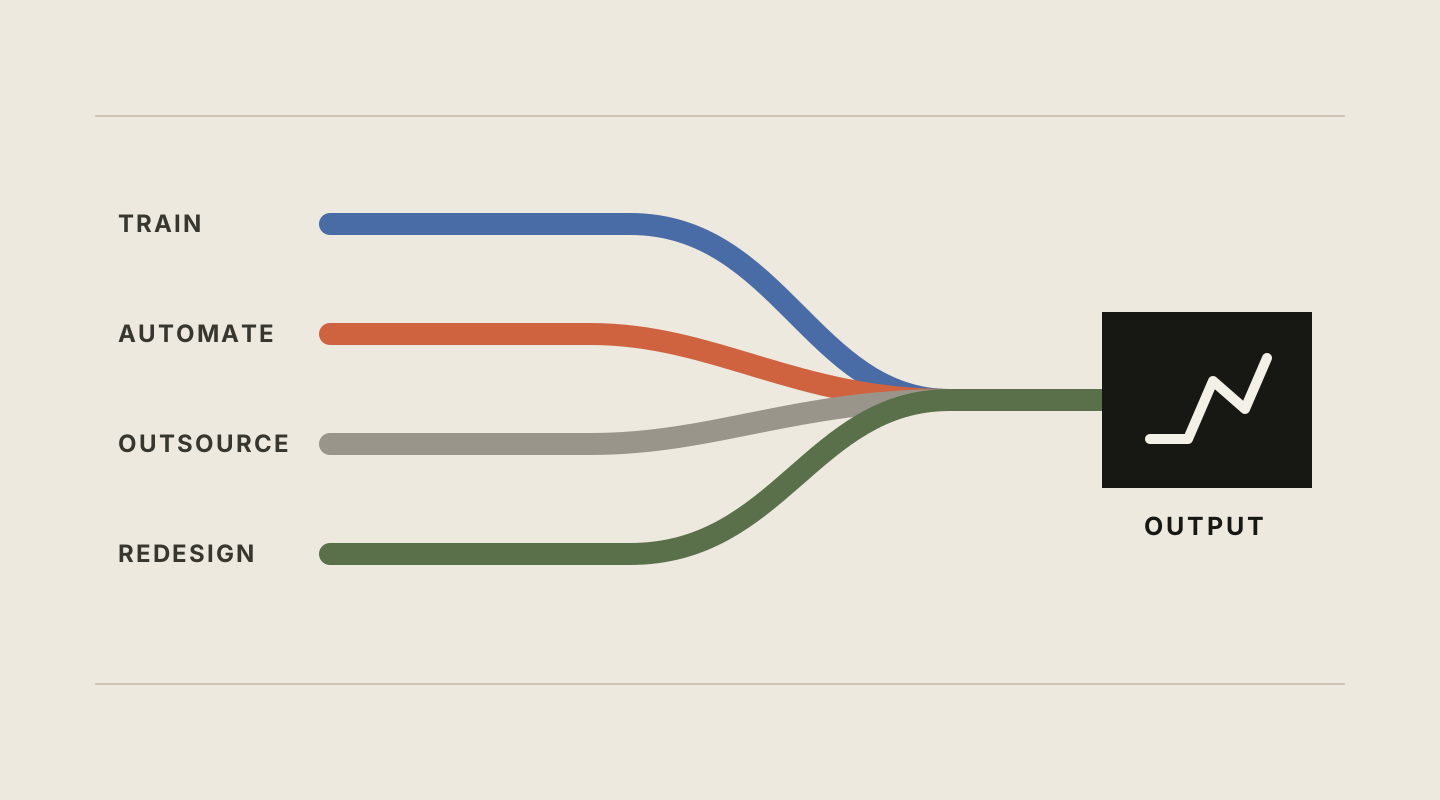
Before cutting a role, model the same frame for:
- training the current team;
- automating routine work while keeping review and exceptions;
- outsourcing part of the workload;
- redesigning the role, handoffs, and metrics.
Compare accepted output, ramp time, failure rate, risk, and cost per unit. Lower headcount is useful only when the workflow still produces the required result at an acceptable level of risk.
What the evidence does not prove
Expert forecasts about restructuring may fit some industries and miss others. Wage penalties should be checked against the legal text and the specific situation before entering policy.
Action this week
Choose one expensive role, measure output and exceptions for four weeks, and build a four-option comparison. Do not decide from payroll as a percentage of revenue alone.