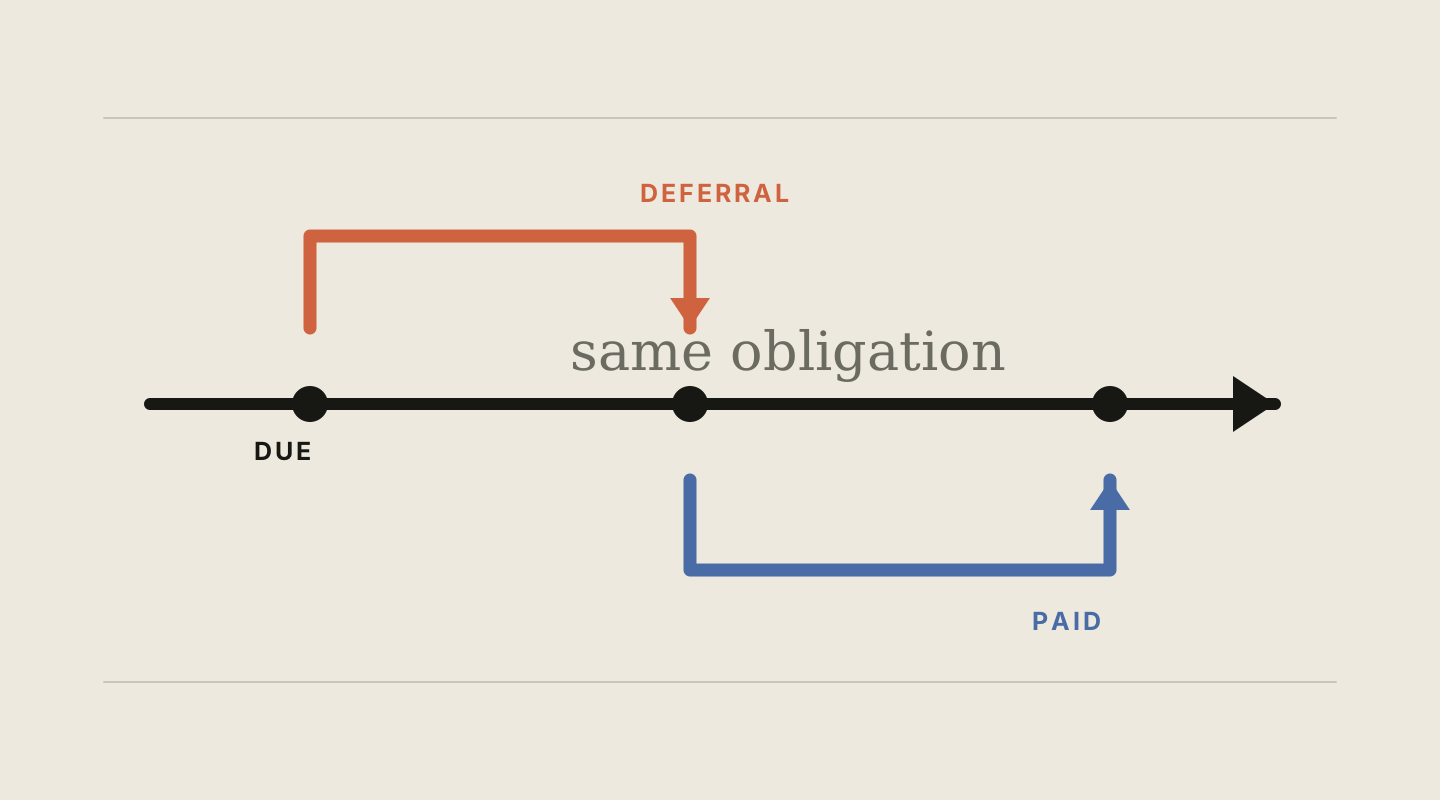
A deferred tax payment can ease short-term cash pressure. It does not remove the liability, and treating the retained cash as profit will break the forecast when the obligation comes due.
Two changes to read together
GV Lawyers summarizes Decree 245/2026 as allowing qualifying small and micro enterprises to defer selected 2026 obligations. The periods and tax types differ; the filing deadline is November 2, and the relief is not automatic.
Circular 58/2026/TT-BTC replaces Circular 132/2018 on accounting documents, books, and financial statements for microenterprises from July 1. Timing relief is safe only when the underlying data and opening balances remain accurate.
Put the policy into the forecast
Separate three layers:
- the original liability and due date by tax type;
- eligibility, filing owner, and confirmation status;
- the cash scenario if the filing is rejected or late.
Show a deferral as a dated cash-timing benefit with an end point. Do not use it to justify recurring spending that normal cash flow cannot support.
What the evidence does not prove
A legal alert is professional interpretation, not a substitute for the text of the law or advice on a specific filing. Deferral creates time, not a lower liability.
Action this week
Build the tax calendar, confirm eligibility, assign the filing owner, and run two forecasts: one with approval and one without it.