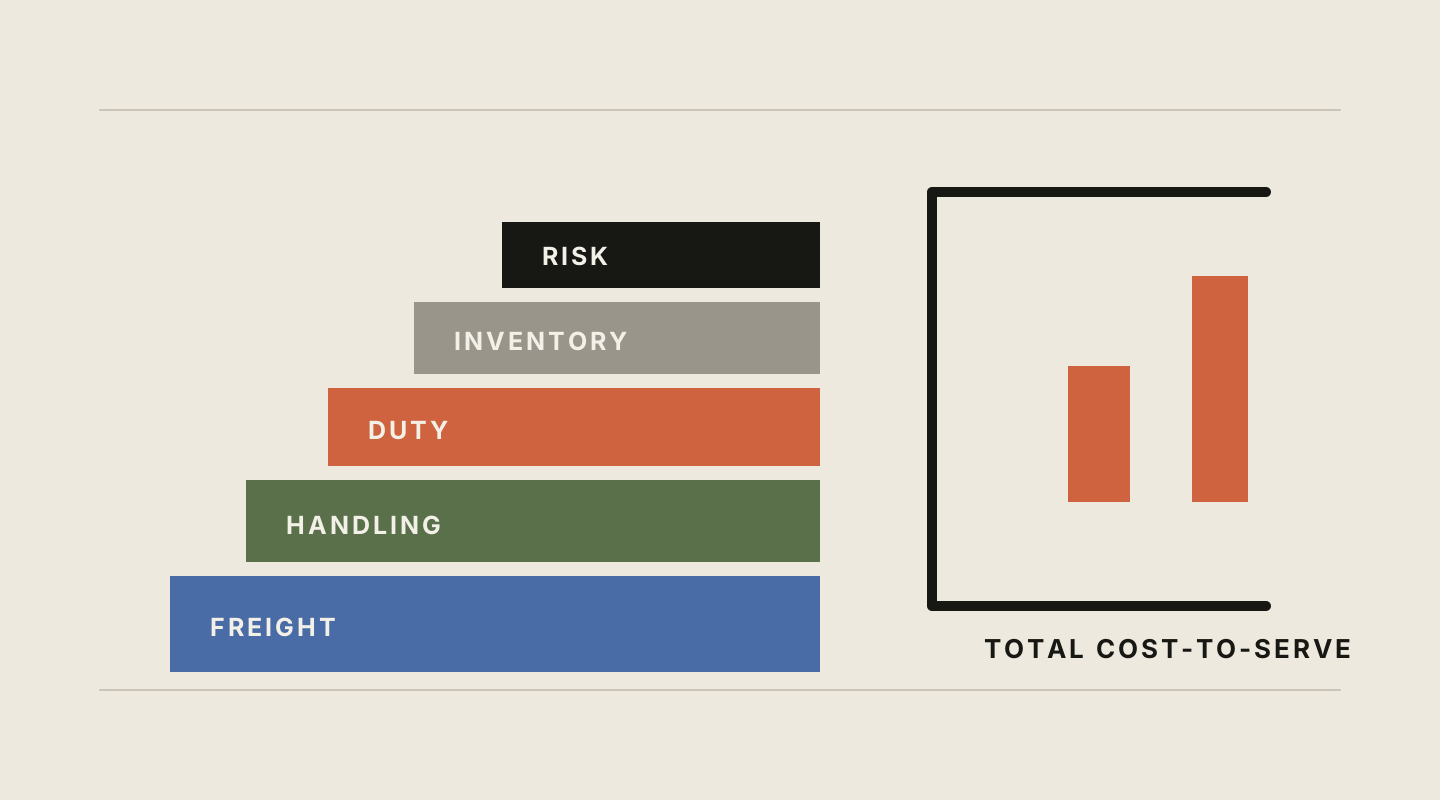
The freight quote is the most visible line in a logistics decision. It is also easy to optimize incorrectly when longer lead time raises inventory, handling expands, or customs work adds delay and cost.
Break logistics cost into components
A report on Vietnam’s logistics restructuring describes a national goal of reducing logistics costs from roughly 17% of GDP to 12-15% through multimodal infrastructure, logistics centers, and digitalization. A separate industry estimate says the figure may have exceeded 20%, but this is not confirmed national accounting.
The gap between estimates is a reason to use the company’s own shipment data rather than one economy-wide percentage.
The minimum landed-cost model
Each shipment or lane should separate:
- freight, fuel, and emergency surcharges;
- port, handling, storage, and customs-broker charges;
- duties, tax, refunds, and documentation cost;
- inventory carrying cost across lead time and buffers;
- stockout, expedite, or service penalties caused by delay.
Circular 86/2026/TT-BTC changed import-export tax administration from July 1. The operating model therefore needs evidence for declarations, exemptions, refunds, overpayments, and tax debt instead of leaving customs to the final compliance step.
What the evidence does not prove
National targets and industry estimates do not reveal cost to serve for one SKU or customer lane. Only company invoices, transit times, inventory, and exceptions can answer that question.
Action this week
Choose one high-volume lane, collect its latest 20 shipments, and build a bridge from freight quote to realized margin. Assign an owner to refresh the customs checklist under Circular 86.